

Geyser Installation
Pretoria North
Geyser installation Pretoria North homeowners can rely on is the kind an insurer, a buyer and the next plumber can all check: fitted to SANS 10254, a drip tray draining outside, and the certificate in your hand.
Request a call-out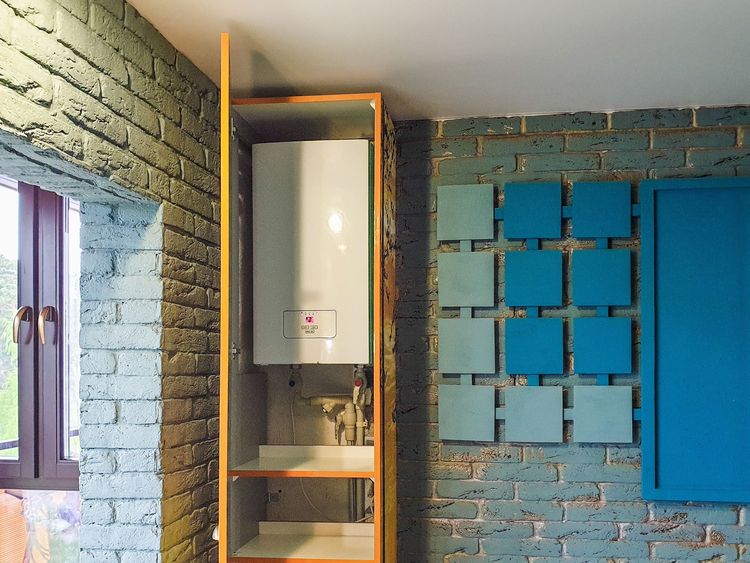
What a proper geyser installation includes
The geyser is the easy part to get right; the fittings around it are where installs fail.
A geyser installation is more than a tank in the roof. It is the pressure control valve that keeps mains pressure out of the tank, the safety valve and its discharge pipe, vacuum breakers on the hot and cold sides, a drip tray under the lot, insulation on the first pipes out, and the timbers it sits on.
Most installs are replacements: the old geyser has burst or rusted through, and the new one goes in the same place. That is the moment to fix what the old one lacked, such as a drip tray that ran into the ceiling or a valve that was never fitted.
If you are building or renovating with approved plans, the national building rules (SANS 10400-XA) say no more than half of a new home's hot water should come from electric elements, which opens the question of a heat pump or a solar geyser instead.
What holds up a geyser in a Pretoria North roof
Up to 200 litres of water sit above your ceiling, and the rules about what carries them are exact.
500 mmThe furthest apart the timbers under a roof geyser may be (IOPSA and PIRB compliance table)
A 150-litre geyser full of water weighs well over 150 kg, and it rests on a couple of beams above your ceiling. The compliance table that IOPSA and PIRB publish for geyser work is precise about them: support beams of at least 114 mm by 30 mm, no more than 500 mm apart, and no geyser bigger than 200 litres hung from wall brackets.
The same table sets out the drip tray. It must cover the whole geyser and its valves, and its pipe must run to the outside of the building where it is easy to see. That last part matters: a tray that drains into the roof space only hides a leak until the ceiling board gives way.
Tshwane's Water Supply By-laws turn the standard into local law. Every fixed electric geyser must comply with SANS 10254 (section 32), and only a plumber, or someone working under a plumber's control, may replace a geyser or its protective valves (section 30).
The certificate is where people get caught out. PIRB announced on 24 June 2022 that SANS 10254 no longer makes a Certificate of Compliance compulsory when an electric geyser goes in. PIRB, which registers plumbers, still recommends one because insurers, municipalities and manufacturers ask for it, and its current guidance lists geyser installation among the jobs that need one.
None of this costs much at installation time. It costs a great deal after a burst, when an insurer looks at how the geyser was fitted and what paperwork came with it.
Ask for three things in writing on the quote: a drip tray that drains outside, vacuum breakers on both sides, and the PIRB Certificate of Compliance.
Source: IOPSA and PIRB geyser compliance table · Tshwane Water Supply By-laws, 2014 · PIRB, CoCs for electric geysers, 24 June 2022 · PIRB, Certificates of Compliance
Installation cardElectric geyser, new or replacement
Before
Size, position and supports checked. If the beams or tray need work, it is priced up front.
Fitted
Geyser, pressure control valve, safety valve with outside discharge, vacuum breakers, drip tray, insulation.
Removed
The old geyser out of the roof, or kept for your insurer if the claim needs it.
Commissioned
Filled and bled before the power goes on, then checked for temperature and leaks.
Paperwork
Itemised invoice, photos of the installation, and the PIRB Certificate of Compliance.
Wiring and the distribution board are an electrician's work. If either needs attention, you are told before the plumber leaves.
The old geyser leaves with the plumber
A replacement is finished when the roof is clear, the power is tested and the paperwork is in your hand.
A replacement is not finished when the new geyser heats. The old one has to come out of the roof, the power has to be tested, and the certificate has to reach you.
Each of those is a line on the installation card, ticked before the plumber leaves.
The plumber behind Noord Plumbing has eight years of plumbing work in Pretoria North.
From the old geyser out to hot water in
The steps are the same for a replacement and a brand new install.
Check what is there
Space, supports, drip tray, valves and the old geyser's size. Tell us the size in the request if you know it.
Agree the price
Geyser, valves, tray and labour itemised, with anything the roof needs called out separately.
Install to SANS 10254
Old geyser out, new one in on proper beams, every valve and the tray fitted, pipes insulated.
Fill, test, certify
Filled and bled, power on, temperature and joints checked, then the certificate and photos.
Geyser installation questions
What to settle before the old geyser comes down.
How much does a geyser installation cost in Pretoria North?
Procompare's 2026 guide for Pretoria North lists geyser installation labour at R2,500 to R2,900, and Kandua's national guide at about R2,500 to R3,500 or more, with the geyser and fittings on top. The full price depends on the size, the valves and tray needed, and whether the supports in the roof need work. You get it itemised before anything is ordered.
Do I legally need a CoC for a new geyser?
Since 24 June 2022 SANS 10254 no longer requires one for electric geysers. You still want it: PIRB recommends it, insurers and manufacturers ask for it, and solar and heat pump installations still need one under their own standards.
What size geyser does my house need?
Count the showers that run back to back in the morning: that, more than the size of the house, decides it, along with any plan to add solar or a heat pump later. If the old geyser ran cold every morning, size up when you replace it. The plumber works through it with you before anything is ordered.
Can the geyser move out of the ceiling?
Often, yes. A geyser can stand vertically in a cupboard or on an outside wall where the roof space is poor, which also puts the valves and drip tray where you can see them. Anything over 200 litres needs floor or plinth support, because the compliance rules do not allow it on wall brackets.
Who takes the old geyser away?
The plumber does, unless your insurer wants it kept. Some insurers treat the old geyser as theirs once they pay out, so say if there is a claim and it will be kept for them to collect.
Should I replace an old geyser before it bursts?
If it is past the age makers expect (Kwikot puts a well-kept geyser at 8 to 12 years) and shows rust at the fittings or a weeping tank, a planned replacement costs less than a burst through the ceiling. If it is younger and only one part has failed, repair it instead: see geyser repairs.
Request a call-out
Tell us the job and leave a number, and the plumber calls you to talk it through.
Water where it should not be? Turn it off at the meter now. It is the cheapest part of any repair.
Pretoria North and the suburbs around it
From the Apies River west to Rosslyn, and from Onderstepoort down to the foot of the Magaliesberg.
North
Wolmer, Onderstepoort, Bon Accord, Hesteapark, Clarina, The Orchards, Klerksoord
East
Annlin, Wonderboom, Sinoville, Magalieskruin, Montana, Montana Park, Doornpoort
South
Mountain View, Park Town Estate, Mayville, Wonderboom South
West
Dorandia, Florauna, Tileba, Theresapark, Ninapark, Karenpark, Amandasig, Akasia, Chantelle, Rosslyn
Not sure your suburb is covered? Send the request anyway and say where you are.